The Urban Forest Project Is Coming to DC

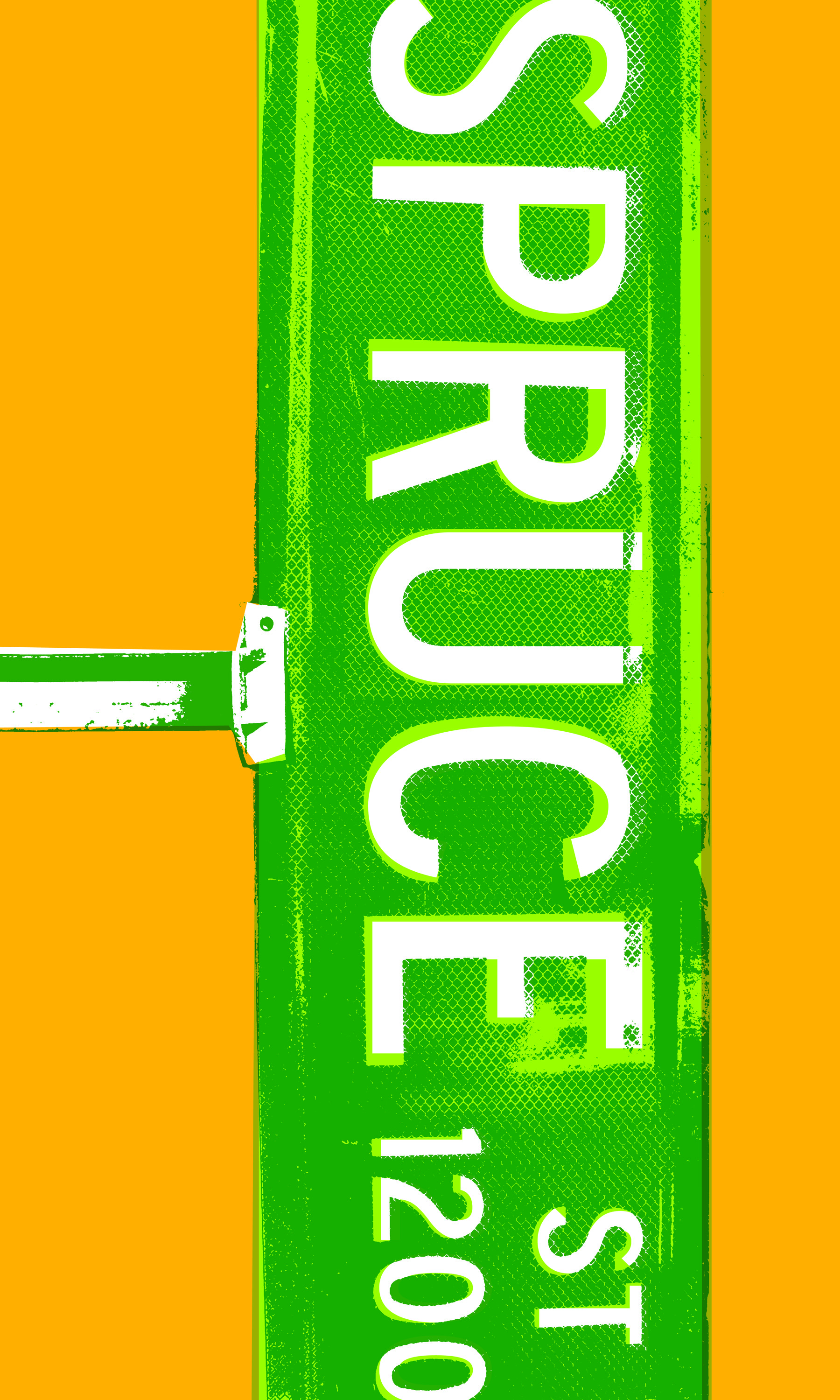
Banner by Dan Dellicolli

This summer, The Urban Forest Project DC will plant 100 street banners about the environment by local artists, designers, and students in downtown DC.

Each banner uses the form of or metaphor for the tree to make a powerful visual statement about the environment. Together, they will create a forest of thoughtful images in our city.

Urban Forest Project banners will be hung on prominent city light poles, launching in the Downtown DC BID for two months. They will then be recycled into unique totebags designed exclusively for the project and sold online. Proceeds will be used to improve District of Columbia neighborhoods.

A preview exhibition will be held at the Corcoran Gallery of Art May 5 – May 9, with the opening reception on Thursday, May 6 from 6-8pm in Gallery 31. This will be an opportunity for you to view the winning banners created by professional designers and artists, along with student work from the Corcoran College of Art + Design and AIGA DC’s mentoring teams.

A post reception will be held at Cafe Asia (1720 I Street, NW, Washington, DC).

The Urban Forest Project DC is being presented by the District Department of Transportation and Worldstudio in collaboration with AIGA DC, DC Commission of the Arts and Humanities, Corcoran College of Art + Design and the Downtown DC BID. The project is contingent on corporate sponsorship which is still being sought.

Eating Greener: Tips and a Recipe from Aviva Goldfarb

Eating green is not just about consuming more spinach, peas, and lettuce.  In her latest book, SOS! The Six O’Clock Scramble to the Rescue; Earth-Friendly, Kid-Pleasing Dinners for Busy Families, renowned meal-planning expert Aviva Goldfarb takes her signature meal planning strategies a step further by advising families on how to also reduce their personal environmental impact through smart dinner-time choices.

Here are some quick tips from the book that everyone can follow to make dinnertime greener:

Eat seasonally. Eating fruits and vegetables that are in season not only tastes better and is smarter for the pocketbook, but it eliminates the carbon emissions caused by shipping foods thousands of miles.  One of the most cost effective and environmentally friendly options is to support your local farmer’s market or Community Supported Agriculture program.

Eat organic – but only when it matters.  We know that organic produce is better for your body and the earth, but since organic products can sometimes cost 50 to 100 percent more, families need to understand when it’s most important to choose organic.  Refer to the Environmental Working Group’s list of the produce highest in pesticides.  These items are worth the extra expense of buying organic to avoid ingesting those potentially harmful chemicals.

Eat more veggies and sustainable seafood. Incorporating more non-meat proteins such as beans, tofu, and eggs into recipes and eating sustainable seafood not only helps families do their part to preserve the planet’s resources, but it also is economical and healthy.

Eliminate food waste. According to the New York Times, a family of four will throw out an average of 24 pounds of fruits and vegetables per month, or by another estimate, 15 percent of their groceries.  By planning a weekly menu, creating and sticking to a grocery list and making only one supermarket trip per week, families will greatly reduce food waste and spoilage.

Grow a garden. Even if it is only a small planter, take the time to plant a small garden.  It is a sustainable source of food, is a fun activity for all ages and will save money on produce.

Reduce supermarket trips. Aim to shop at the supermarket only once per week.  Less trips means less fuel burned, less money wasted and more precious time to enjoy with family

Buy in bulk. Buying in bulk reduces the amount of plastic packaging.  Avoid buying individual “snack packs” and package the goods instead in reusable containers. Buy meat and cheese and freeze into individual or family serving sizes.  And like many environmental strategies, buying in bulk is a great way to reduce the weekly grocery bill.

Reuse and recycle. Recycling and reusing is about more than just recycling newspapers and plastic bottles.  Keep a stock of reusable canvas or nylon bags in the car at all times.  Reuse extra plastic or paper shopping bags for other tasks.  Pack lunches in reusable containers.  Rinse and reuse or recycle aluminum foil, along with other cans, bottles and plastic containers.

Compost. Composting is one of the easiest things the average family can do to reduce their footprint and help the environment naturally.  Turning everyday organic waste (like grass clippings, raked leaves, veggie peelings, and fruit rinds) into rich soil not only reduces the amount of garbage picked up curbside by fossil fuel-operated trucks (then dumped into landfills), but also creates 100-percent natural, organic fertilizer.

***

Mango and Black Bean Salad

(From The Six O’Clock Scramble to the Rescue; Earth-Friendly, Kid-Pleasing Dinners for Busy Families)

Prep + Cook = 20 minutes + 20 minutes – 24 hours to chill (optional)

6 servings

Serve with sliced avocados sprinkled with fresh lime juice and lightly salted.

3/4-1 cup quick-cooking brown rice (about 2 cups prepared)
1 can (15 oz.) black beans, drained and rinsed, or 1 ¼ cup cooked black beans
1 – 1 1/2 cups fresh or frozen mango, cut in 1/2-inch chunks
1/4 sweet yellow onion, such as Vidalia, finely diced (about 1 cup)
1/4 cup scallions, green parts only, or chives, finely chopped
1 lime, juice only (2 – 3 Tbsp.)
1/4 cup fresh cilantro, chopped
1/4 tsp. salt, or more to taste
6 large Boston or butter lettuce leaves (optional)
6 whole wheat tortillas for serving (optional)

Cook the rice according to the package directions.  Remove it from the heat immediately when it is done cooking.  (If you want to serve the Mango and Black Bean salad immediately rather than allowing it to chill for a while, put the rice in the freezer for 5 minutes to cool it.)

Meanwhile, in a large bowl, combine the beans, mango, onions, scallions, lime juice, and cilantro.  Combine the rice with the ingredients in the large bowl, season it with the salt, and toss it gently.  Chill it for at least 10 minutes (an hour or more is ideal) and up to 24 hours.

Serve the salad on its own or wrapped in large lettuce leaves or warm tortillas, or both, topped with the sliced avocado, if desired.

Scramble flavor booster:  Stir in fresh cilantro and serve the salad with spicy salsa.

Tip:  If you don’t like raw onions, sauté the onions first until they are lightly browned.  If you have picky eaters, put some of the beans and rice aside before combining all the ingredients and let them have simple black bean and rice burritos with mango on the side.

Side dish suggestion: Peel and slice 2 – 4 avocados and sprinkle them with 1 – 4 tsp. fresh lime juice (about 1 tsp. per avocado) and 1/8 – 1/2 tsp. salt (about 1/8 tsp. per avocado) (or mash the avocados, lime juice and salt to make guacamole.)

Greening the Arts at Wolf Trap

Guest post by Alison Drucker

The Wolf Trap Foundation for the Performing Arts has a unique opportunity to be a leader in environmental education. In addition to operating some of the D.C. area’s premier performance venues, it’s also a national park.

They’ve risen to the challenge with an ambitious Go Green program, which in its first two years has resulted in a 23 percent reduction in energy use, a 20 percent lower carbon footprint, and a 50 percent decrease in landfill waste.

To get there, the Foundation’s actions have ranged from the traditional (energy-efficient lighting and heating/cooling) to the creative (a carpool incentive program, growing fresh herbs for its catering business, and composting). LEED certification is in process for one of their facilities.

In addition to improving its own operations, Wolf Trap leverages its venues to inspire audiences to do their part with new sustainability-themed performances, including The Sun Road (a dance reflection on melting glaciers in Glacier National Park). The “Start Early for the Earth” program gets kids in on the action, too, with The Junkyard Pirates – a puppet show about recycling that has been presented to more than 7,000 children, parents, and teachers.

All these efforts recently earned the Foundation the 2010 Sustainability Award from the American Society of Civil Engineers’ National Capitol Section, along with three consecutive outstanding EPA ratings for effective recycling. And given their place at the unique crossroads of the arts and the national park system, they’ve also been recognized by the National Park Service’s Climate Friendly Parks Program.

Along with the likes of Willie Nelson, Guster, and the Roots, the Wolf Trap Foundation is a founding member of the Green Music Group – becoming part of a broader group of high-profile performing arts entities committed to environmental leadership.

Stylish and Eco-Friendly Reusable Lunch Bags

Guest blog post by Heidi Strom Moon

Given the number of plastic sandwich bags discarded every year (20 million), parents who pack lunches for their kids can easily go a little greener by replacing those baggies with reusable lunch bags. With an ever-growing number of options, however, the harder part is choosing which reusable bags to buy.

Now, there’s a locally based option called LunchSkins that was created by three DC-area moms. Made from imported food-safe pastry-bag fabric, which makes them moisture-proof and durable, LunchSkins come in three sizes: snack, sandwich, and sub.

Even better news for brown (or should we say “green”) baggers? A portion of LunchSkin sales are donated to local environmental organizations including the C&O Canal Trust and Chesapeake Bay Foundation.

I recently gave the snack and sandwich bags a test run during a week of my kindergartner’s lunches, using them to pack everything from dry foods (cookies and pretzels) to gooey (peanut butter and jelly sandwiches).

They are easy to clean–either by turning inside out and rinsing, or putting through a dishwasher cycle. LunchSkins kept the foods contained, just like a plastic baggie, and my 6-year-old found them easy to open and close, even with their heavy-duty Velcro closures.

LunchSkins aren’t made for truly wet foods, however, so for anything juicy I’ll stick to our bento boxes. I also plan to get the third size bag, the “sub,” for those days when we pack bigger or taller items.

And unlike some other reusable lunch bags, LunchSkins’ fabric patterns aren’t strictly for kids. Although the sandwich bags come in fun prints like fruit and animals, they’re also available in more stylish abstract swirls. The snack and sub sizes come in decidedly non-juvenile graphic dots and stripes. (Look for other patterns, including florals, to be available soon.)

So I’ll add a couple of bags for myself, too. They’ll add flair and eco-friendliness to my lunch–and this summer’s beach and picnic trips, too.

Earth Week Events Recap

Last week was a whirlwind of wonderful events that brought together people of all backgrounds and interests, united by a common cause: Do right by planet Earth. Here’s looking back at the week that was:

Image courtesy of 8 Boxwood Lane Pictures

Eco-Chic: Night of Stars and Rising Stars

Held at the Corcoran and co-hosted by the Corcoran and the Fashion Group of Washington, DC, the event celebrated eco-chic design, beauty, fashion, art, and architecture with live models, delicious food, and an awards ceremony emceed by Wendy Rieger. Hometown eco-preneurs Kimberly Wilson of TranquiliT and Debra Claire of Perfect Organics took home “rising star” awards.

WeatherizeDC Earth Day Fundraiser

On Thursday, WeatherizeDC held a fundraiser on the deck at Local 16. More than 200 people turned out for the event, which raised $7,000 and is enough to weatherize three homes in low-income local neighborhoods.

Material World: Green is the New Black

On Saturday at the Corcoran, a panel of leading designers from the worlds of fashion and interiors shared their personal experiences, exploring the green movement’s influence on their work. The panel was moderated by Rachel Cothran of Project Beltway.

Image courtesy of Twilight Earth

The Climate Rally
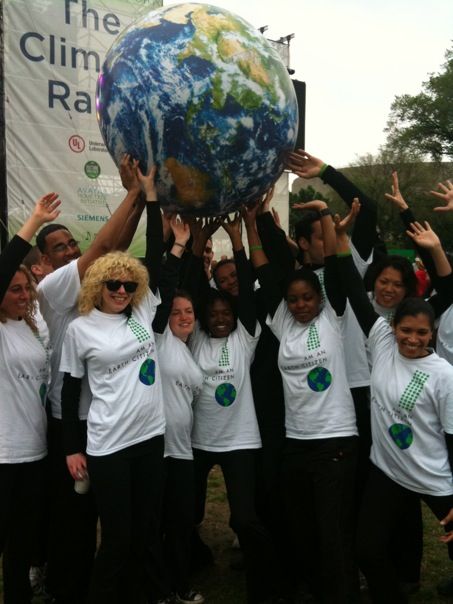
Thousands descended on the National Mall for the Climate Rally on Sunday, which included performances by the Roots and Sting, as well as appearances by James Cameron Reverend Jesse Jackson, Trudie Styler, Margaret Atwood, and many more. One of my green pals, Adam Shake of Twilight Earth captured some great video footage.