Pitango Gelato Goes Solar

Pitango Gelato has been committed to eco-friendly practices since the company opened its doors in 2007. Now, in addition to the measures Pitango already takes to reduce energy and minimize waste, the company’s dairy facility in Lancaster County, Pennsylvania, has converted to solar power.

The dairy is located on Spring Wood Organic Farm, where a single herd of grass-fed cows supplies all of the milk and cream used in Pitango’s organic gelato. The farm’s new solar panels  are generating enough electricity to operate the farm and the dairy.

Aside from long-term economic incentives, Spring Wood owner Roman Stoltzfoos decided to go solar to reduce the farm’s carbon footprint. “It is a substantial investment for us, but it is clearly the right thing to do to make the farm and the dairy greener,” he says. “We’ll be using much less fossil fuel for what we have to do.”

The farm even uses a solar panel on its high-tech “Egg-Mobile,” which houses free-range hens that provide the daily supply of freshly laid eggs used in some of Pitango’s recipes. The hen house on wheels with solar-powered feeders, lights, egg laying boxes, and doors “delivers all of the modern bells and whistles,” says Stoltzfoos, “with minimal environmental impact.”

“It’s not always easy being green,” says Pitango Gelato founder and CEO Noah Dan. “A large component of our product is energy, so naturally we think about it all the time. For us, being green is being smart, and finding a path to improve our product and its sustainability is our ultimate goal.”

The shift toward solar on the farm is only one example of Pitango’s energy-efficient practices. Pitango’s custom-made bancone (gelato cases) used in each shop are liquid-cooled by glycol–an energy-retaining liquid derived from corn. Once the glycol is adequately cooled, it requires very little energy to maintain a temperature that is optimal for storing the gelato at the perfect consistency, with each flavor in its own sealed compartment. Dan estimates that Pitango’s bancone consume as little as one-tenth of the electricity of comparable air-cooled display cases. Pitango also uses biodegradable serving cups, coffee cups and gelato spoons.
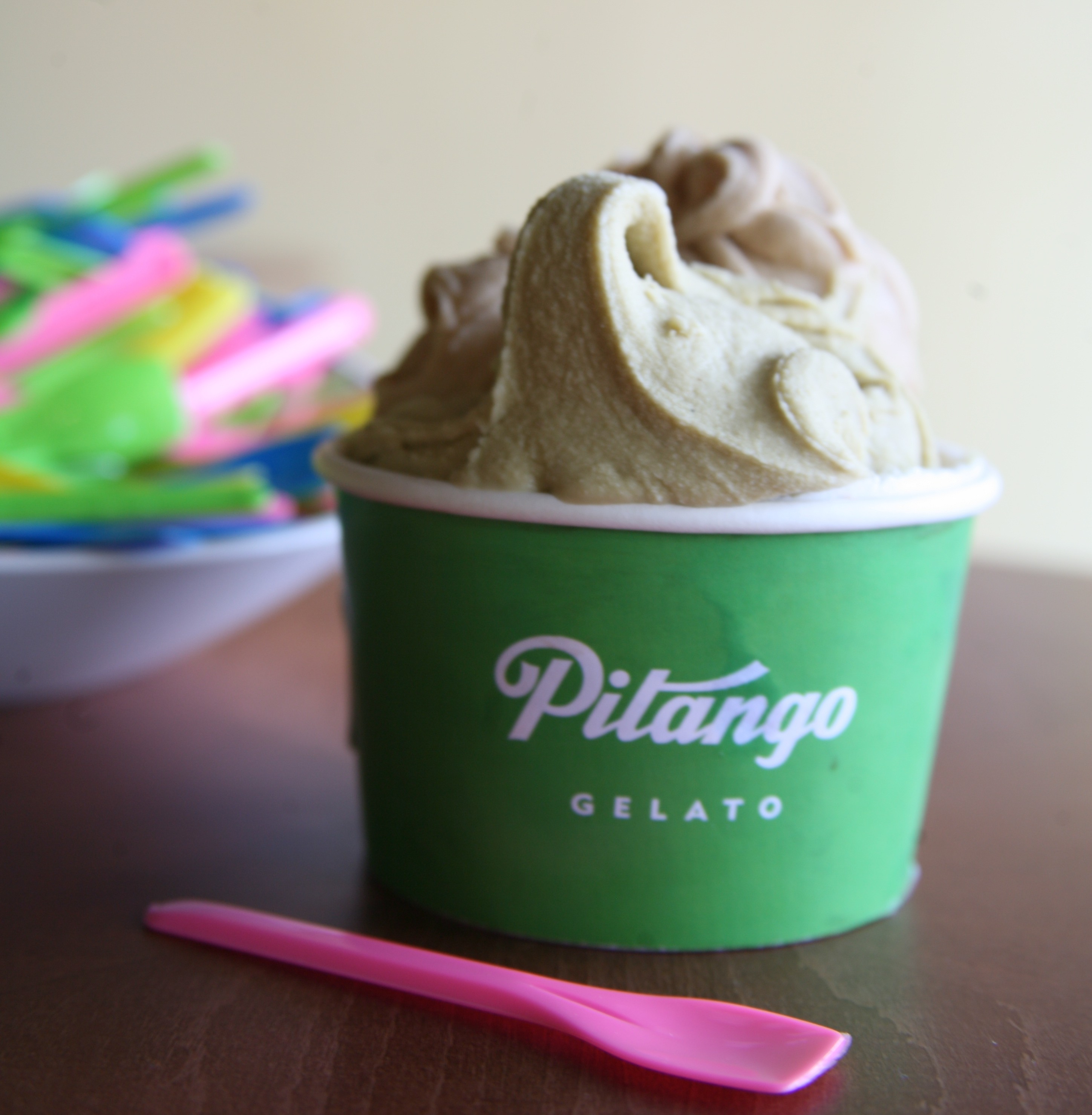
Pitango matches its eco-friendly practices with a commitment to create a healthier product. The company’s artisanal gelato contains less fat than premium ice cream, while its sorbets contain no dairy products and are vegan and fat-free.

Made with ingredients, from fresh local fruit to organic chocolate, Pitango’s products contain no flavorings, colorings, or chemicals of any kind.

Green Night Out with Van Jones

Get ready to rock the green carpet! On Tuesday July 13th, Green DMV is hosting what will likely be one of the best and most well-attended green events this year, Green Night Out with Van Jones.

The fundraiser, which will raise money to support the fight against poverty and climate change, will be held at Longview Gallery, a stunning, modern gallery space on 9th Street, two blocks from the Convention Center.

The evening will be emceed by NBC4’s Wendy Rieger and will also feature special guest Van Jones. Sponsors include Honest Tea, Foster’s Wine, grassfed media, and Peak Organics Beer.

The evening’s passed hors d’oeuvres will include Smoked Salmon Cornucopia with Dilled Crème Fraiche and Spinach and Mushroom Cigars with Romesco Sauce from Restaurant Nora. Trainees from DC Central Kitchen will be preparing all of the food. Beverage choices will include organic wine and beer, assorted Honest Teas, and Fresh Start natural water.

Tickets are selling out fast, so get yours today!

About Green DMV

Green DMV promotes sustainability in low-income communities as a pathway out of poverty. The organization uses a three-point system that focuses on targeted areas of the community including small and disadvantaged businesses, underserved school districts, and community stakeholders.

Urban Farmers Fight to Save Community Garden

Guest post by Carolyn Szczepanski

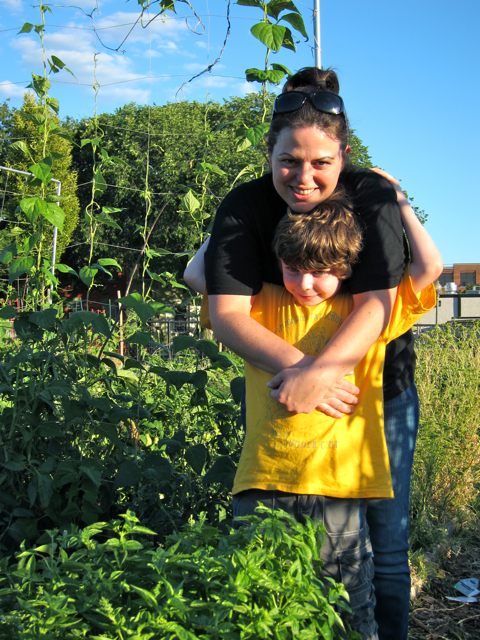
At the Virginia Avenue Community Garden, the buzz of freeway traffic hangs overhead, but the air is thick with the rich scent of basil and tangy aroma of tomatoes. It’s that perfect time just before dusk, when the sun turns the world golden, and Diana Elliott savors the moment.

She ducks under the shade of a plum tree, so heavy with produce the branches sag, and picks one of the purple fruits. “This land has been so good to us,” she says, savoring the juice from the plum and tossing the pit under the tree.

But this land may be paved over for new military quarters.

Nearby, a group of volunteers gather under a wooden pagoda of this four-acre plot in south Capitol Hill. They paint signs and staple small green fliers to plastic bags of vegetable and flower seeds. Among them is Elliott’s son, Eamon Cole, who dabs color on a page that says, “Do not take my garden!”

In September, Elliott and the other member of the Virginia Avenue Community Garden heard the first rumblings that the U.S. Marines needed to expand their residential barracks and, among the proposed sites for construction, was the land currently occupied by the community garden. Now those rumbling have turned into a real threat: The garden is one of the last-standing locations on a shrinking list of development options.

The gardeners don’t dispute the Marines’ need for new barracks and they agree the military has been a great neighbor. But, Elliott says, this community garden sets the table and feeds the spirit of 60 member families. In the six years since this land was cultivated, the love affair with local food has made this plot nearly priceless. Some community gardens in Capitol Hill, Elliott says, have wait lists as long as seven years.

“There’s a huge demand and people keep adding community gardens every year,” Elliott says. “So the idea that they want to take away the biggest community garden around here and they don’t see that as a problem is really, really frustrating.”

In less than a decade, dozens of area families transformed this previously troubled landscape. “It was basically a drug park,” says Nicole Hamam, who’s been gardening here for four years. “Now, people have been moving in because they saw this and not the freeway. The sweat equity that’s in here and what it’s done for the value of this area is something you can’t put a number on.”

So the gardeners are determined to preserve this refuge from the Marines. When the gardeners created a “Save Virginia Avenue Park” Facebook page, it quickly garnered more than 400 fans. Within the first few days of their grassroots campaign, filmmakers from Roadside Organics produced a four-minute movie about their efforts.

“There are no strong advocates for parks,” Elliott says of the city establishment. “People still see parks as space for building and they don’t see the benefit of a green space for green space’s sake. There’s nobody advocating for us, which is why we’re doing this. We have to advocate for ourselves.”

Late last week, the gardeners got their first district council member on board. On Thursday, Council member Tommy Wells signed on to Save Virginia Avenue Park. So far, the online petition has nearly 200 signatures.

“You know, it’s just kind of a Zen place,” Hamam says of the garden. “It’s a place to watch things grow, to take care of things. It’s hard work. It’s accomplishment. It’s a special thing: An oasis in an urban environment.”

Events for the Week of June 28th

Stay out of the heat with two fantastic events this week. Both will make you think about the products you buy and their impact on your health and the environment.

Consuming Choices Book Party

WHEN: Tuesday June 29th from 6-8.
WHERE: Busboys and Poets, 2121 14th Street NW (2 blocks from the U Street/Cardoza Metro)

DETAILS: Please join author David Schwartz for a cocktail party celebrating his new book, Consuming Choices.

The book raises questions about consumers and whether we share culpability for unethical and immoral practices associated with the products we purchase. To answer, author David T. Schwartz provides the most detailed philosophical exploration to date on consumer ethics. There will be a cash bar and light hors d’oeuvres. Please RSVP by to sacha@grassfedmediadc.com.

Plastic Pollution Coalition Cocktail Fundraiser

WHEN: Wednesday June 30th from 7-9
WHERE: Muleh, 831 14th Street NW

DETAILS: This cocktail event and fundraiser supports the Plastic Pollution Coalition, a non-profit organization committed to reducing and ultimately eliminating plastic pollution globally.

Single-use plastics in particular and plastics overall are some of the biggest contributors to the current global environmental crisis. Aside from being petroleum-based products, plastics do harm beyond the fossil fuel related issues. 90% of the ocean trash is plastic. Nearly 40% of landfill trash is plastic. Single-use plastics are contributing to the privatization of water. Once created, plastic never biodegrades. The only way of ‘getting rid of it’ is to burn it, which releases toxins into the air.

There are alternatives to plastics – what is needed is the momentum to promote these alternatives and to raise awareness to the crisis.

Donations will be taken at the door or online (Platinum $500, Gold $250, Silver $100, Bronze $50). RSVP by June 28 to rsvp@plasticpollutioncoalition.org or 202.997.8400.

Greek and Green

Photo credit: Kim Maxwell Vu

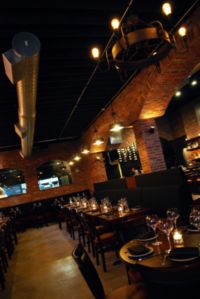
The new Dupont Circle  restaurant Agora (1527 17th Street, NW), which opened in May 2010, is working on being green from the ground up.

Most of the restaurant’s materials are recycled or reclaimed and the cement flooring and exposed brick walls are natural conductors of heat and cold.

Agora’s Mediterranean organic and biodynamic wines are kept in a naturally controlled temperature wine room with recycled wood racks and are even served in glassware made from recycled cork and glass.

Other eco-friendly elements:

– An in-house water filtration provides still or sparkling water.
– All bottles, paper, and plastic are recycled.
– Recycled paper is used for the printed menus
– The kitchen’s cooking oil is donated to be repurposed as biodiesel fuel
– Environmentally friendly hand dyers in the bathroom
– Natural light is used as much and for as long as possible

Agora, which means “gathering place” in Greek brings authentic Turkish cuisine to the heart of Dupont with a variety of Mediterranean mezes. The bar also offers six different types of anise-flavored raki, as well as cocktails that highlight Turkish ingredients, such as one that uses Turkish figs.